A performance clip has a narrow job: make a stranger feel the energy before they decide to scroll. That does not mean the camera needs to move every second or the edit needs a new effect on every snare. The best short clips give a viewer a reason to stay, a moment to anticipate and a payoff worth replaying.
Start with a human signal
Faces, gestures and the space between performers do more work than an expensive transition. Open close enough to read intention. If the first frame gives us a person taking a breath, looking toward someone off camera, or entering a room with purpose, the audience begins asking a question. A wide establishing shot can work too, but it needs a clear relationship between the performer and the place. Empty spectacle gives a phone viewer little to hold onto.
This is why the strongest footage should not be saved for the last ten seconds. Social feeds do not promise an audience that much time. Put a specific movement or visual decision near the start, then build rather than merely repeat it. A performance can still breathe; breathing is different from waiting for the point to arrive.
Cut for the action, not the plug-in
One way to test an edit is to mute the music. Do the visual changes still make sense? A cut between a hand movement and the next angle can carry physical momentum. A cut from a face to a friend reacting can establish a relationship. A quick zoom added only because the beat hit may feel busy without revealing anything new.
Turn the music back on and listen for another kind of rhythm: phrases. If every cut lands on an obvious kick, the pattern becomes predictable. Hold through a bar when the performer is doing something compelling. Cut just before a phrase when anticipation matters. Let a visual response happen after the sound rather than exactly with it. These small shifts can make a clip feel directed rather than automatically synced.
Use the location as part of the performance
A street, studio or wooded clearing is not just background texture. It changes how a body moves and what a scene suggests. If a camera circles a performer outdoors, trees, light and distance become part of the shot’s rhythm. If two people occupy a tight room, the frame can show their proximity instead of pretending the room is a larger set. A useful location has a job in the story.
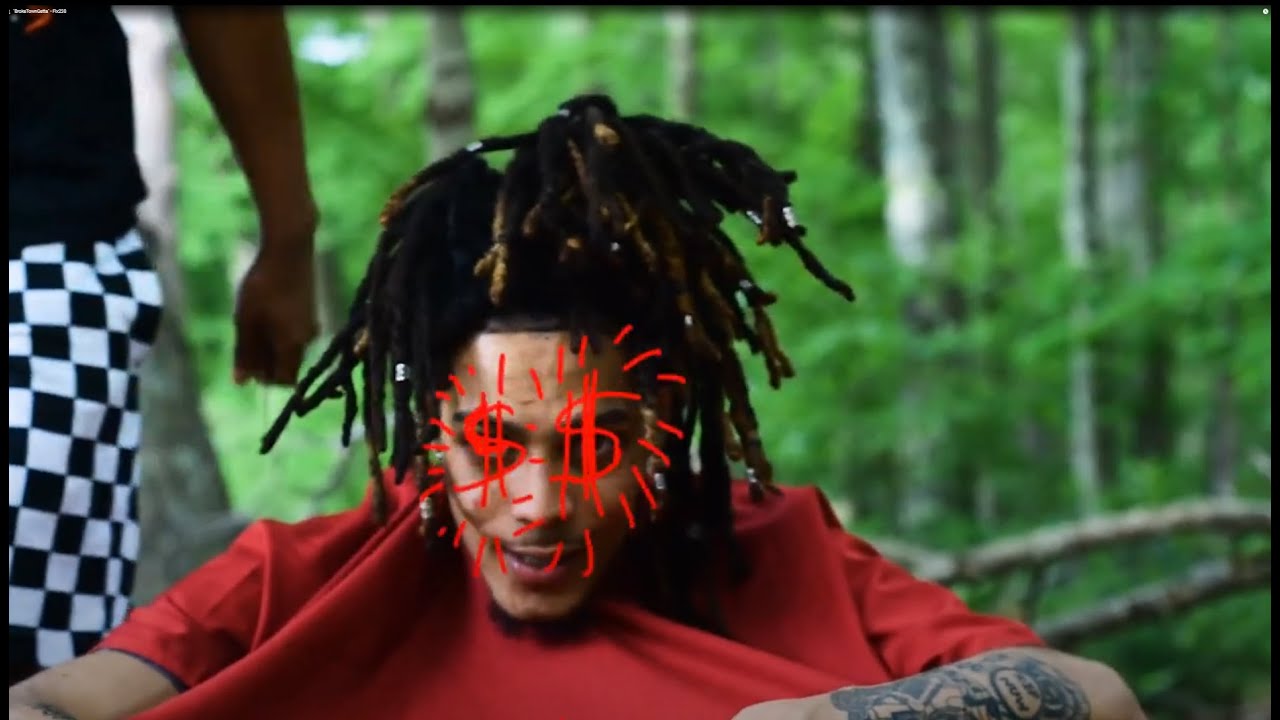
WilderBeatz’s BrokeTownGetta video archive is one place to look at framing, performance and environment together. The original source video is embedded on its project page. The point is not to use the same setting for every artist; it is to notice how much character a real place can carry when the shot pays attention to it.
Give the replay a reason
A replay can come from surprise, but it can also come from a detail the first pass did not fully reveal. A second performer enters the background. A movement connects two angles. A lyric changes the meaning of a prop. These are more durable than a random effect because they reward attention. Before exporting a short, watch it once without sound and once without looking at the screen. If neither pass has a shape, the combination probably cannot rescue it.
The practical test is simple: show the cut to someone who has not heard the track. Ask where they wanted to look next and where their attention dropped. Those answers are more valuable than asking whether the footage looks “cinematic.” The goal is a performance people can feel, follow and remember.