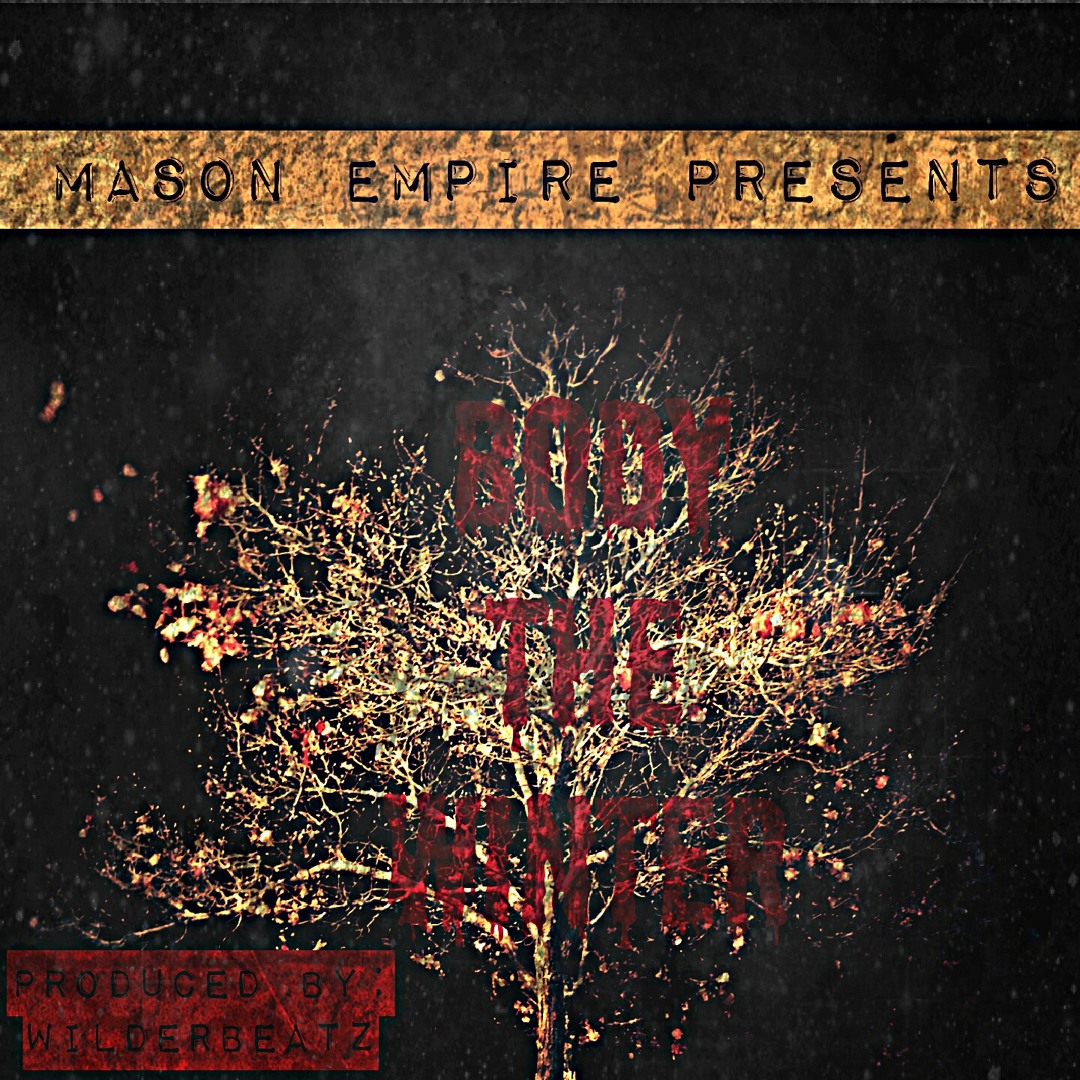
“The song drops Friday” is information. A release campaign gives people a reason to care on Tuesday, remember on Friday and return the following week. Independent artists can do that without pretending every song is a blockbuster event.
Start with the one-sentence promise
What experience does this record give someone? Write one sentence without genre labels or claims about greatness. Maybe it sounds like leaving a party before the argument starts, or the first drive home after a difficult decision. That image can guide the cover, a short performance clip, the caption and the visualizer. It also keeps the campaign from becoming a pile of unrelated posts.
Make the music easy to reach from every piece of content. A clip should identify the artist and track, and the destination should work on a phone. Ask someone unfamiliar with the project to find the full song from a single post. If they cannot, the path is too complicated.
Use three different kinds of moments
Before release, show an element of the making: the original voice note, a drum switch, a lyric in an unexpected setting. On release day, share the clearest expression of the finished work, not the longest list of platform logos. After release, give the record a new entry point: a live take, an alternate arrangement, a story about the line people keep repeating.
These moments should point to the same song but reward a different kind of attention. Reposting an identical announcement five times is not a rollout. Changing the context around the music helps a listener discover a new reason to stay.
Measure what people actually do
Views tell you that the content entered a screen. Saves, repeat listens, direct messages and people asking for the full track tell you more about whether it connected. Keep a simple log of which clip led to real responses. Use that evidence to choose the next visual or performance format.
Most importantly, keep the song alive after the calendar flips. A release date starts the conversation; it does not have to end it.