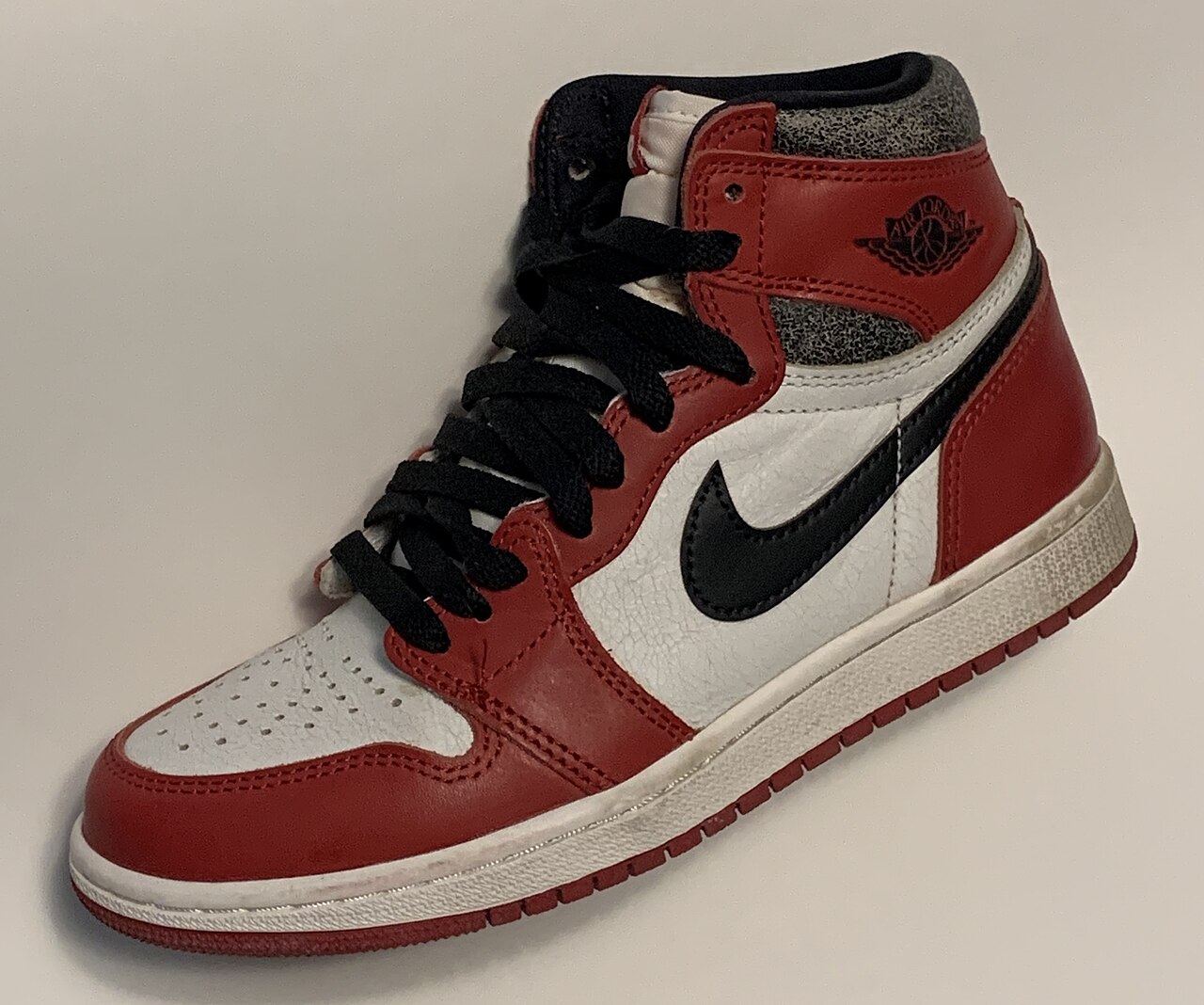
A sneaker can be beautiful on a white background. The interesting question is what happens when it leaves the product page. Who wears it, what music sits beside it, and why does a particular silhouette become a shorthand for a moment?
Look beyond the launch picture
A release photograph is designed to show an object. A street photograph shows a relationship: the shoe against a trouser hem, a sidewalk, a posture, a group of people. Both are useful, but they tell different stories. When we cover a drop, we want to ask how the design behaves in the world rather than repeat the product copy.
Start with shape. Is the shoe narrow, bulky, severe, playful? Does its color draw the eye or hold an outfit together? Then ask who is wearing it in a way the campaign could not script. A great style story is often about adaptation, not ownership.
Verify the drop before making a claim
Rumors move faster than official calendars. For Nike releases, check the SNKRS upcoming page for the market you are writing about. Check model names, colorways and dates against the brand’s own listing. If an item is announced by a retailer but absent from the brand calendar, say what is confirmed and what is not. Price, stock and release time can change; a strong article is clear about when it was checked.
The same discipline applies to fashion. When discussing Chrome Hearts, Off-White or VIVET, start from the brand’s current collection or announcement and distinguish it from resale chatter. Readers should be able to follow the link and see the primary source themselves.
Listen to the scene
Fashion coverage is stronger when people can disagree with it. A release might look exciting in campaign photography and fall flat in everyday wear. Another might be ignored at launch but become a favorite because someone found a new way to style it. Ask readers which details actually matter to them: comfort, shape, story, access, or the memory attached to a pair.
That is the editorial opportunity for a music and style site. We can show how a look travels through videos, performances, studios and sidewalks without treating every drop as a must-buy. A scene is built by people making choices; the object is only one part of it.